
This manual offers essential guidance for safely operating and maintaining water jetting equipment, covering practical applications and crucial calculations.
It’s designed for clarity, requiring only basic calculator skills, and focuses on hints and tips for effective use and care.
Furthermore, it provides guidelines specifically for tank cleaning procedures utilizing high-pressure water jetting techniques.
Purpose of the Manual
This comprehensive manual serves as a vital resource for all personnel involved in high-pressure water jetting operations. Its primary aim is to establish and maintain a safe working environment, minimizing risks associated with this powerful technology.
The manual details proper equipment handling, essential calculations for effective jetting, and crucial safety protocols. It’s designed to empower operators with the knowledge to utilize water jetting systems efficiently and responsibly.
Specifically, it provides clear instructions for tank cleaning and other applications, ensuring adherence to industry best practices and regulatory standards. Ultimately, this manual promotes operational excellence and safeguards personnel and equipment.
Scope of Application
This manual’s scope encompasses the operation, maintenance, and safety procedures for a wide range of high-pressure water jetting equipment, including pumps, nozzles, and lance assemblies. It applies to diverse applications, from industrial cleaning and surface preparation to more specialized tasks like hull cleaning of watercraft.
The guidelines within are relevant for both routine cleaning operations and complex projects, such as tank cleaning. Furthermore, it covers aspects of waterjet installation, providing foundational knowledge for setup and integration.
This document is intended for operators, technicians, and supervisors responsible for overseeing water jetting activities, ensuring consistent and safe practices across all applications.

Understanding Water Jet Equipment
Water jet equipment utilizes a high-pressure pump to force water through a lance and nozzle, creating a powerful, focused jet for various tasks.
High-Pressure Water Jet Components
Essential components of a high-pressure water jet system include the high-pressure pump, responsible for generating the necessary force. The lance serves as a handle and conduit for the pressurized water, directing it towards the work area.
Crucially, nozzles are attached to the lance’s end, shaping the water jet for specific applications – varying the spray pattern and impact. These components work in unison to deliver a controlled, high-velocity stream.
Understanding each part’s function is vital for safe and effective operation, as well as proper maintenance and troubleshooting. Regular inspection of these components ensures optimal performance and longevity of the equipment.
Nozzles and Lance Assembly
The lance acts as the operator’s control point, directing the high-pressure water jet. It’s designed for ergonomic handling and durability, often featuring extensions for reaching difficult areas. Nozzles, attached to the lance, are critical for shaping the water stream.
Different nozzle types create varying spray patterns – from narrow, focused jets for precise cutting to wider fans for surface cleaning. Proper nozzle selection is key to achieving desired results and maximizing efficiency.
Securely assembling the lance and nozzle is paramount for safety; ensuring a tight connection prevents leaks and maintains consistent pressure. Regularly inspect for wear and tear, replacing components as needed.
High-Pressure Pumps: Functionality
High-pressure pumps are the heart of any water jetting system, responsible for generating the immense force needed for effective cleaning and cutting. These pumps draw water and, through a reciprocating or rotary mechanism, dramatically increase its pressure.
The pump’s functionality relies on precise engineering and robust construction to withstand continuous high-stress operation. They convert mechanical energy into hydraulic energy, delivering water at pressures ranging from several hundred to over 40,000 psi.
Efficient pump operation is crucial; regular maintenance, including fluid checks and seal inspections, ensures optimal performance and longevity.

Safety Procedures for Water Jet Operation
Prioritize safety by utilizing proper personal protective equipment (PPE) and conducting thorough hazard assessments before each operation.
Understand emergency shutdown procedures to mitigate risks during high-pressure water jetting tasks.
Personal Protective Equipment (PPE)
Essential PPE is paramount when operating high-pressure water jetting equipment to safeguard against serious injury. Full body protection, including waterproof and cut-resistant suits, is crucial, alongside heavy-duty gloves designed to withstand extreme pressure.
Eye protection, such as full-face shields or safety goggles, prevents debris and water spray from causing damage. Hearing protection, like earplugs or earmuffs, is necessary due to the loud noise generated by the pumps.
Footwear should be steel-toed and waterproof, offering robust protection. Regular inspection of all PPE is vital to ensure its integrity and effectiveness, replacing damaged items immediately. Proper training on the correct use and limitations of each PPE component is non-negotiable.
Hazard Identification and Risk Assessment
Prior to any water jetting operation, a thorough hazard identification and risk assessment must be conducted. This process involves identifying potential dangers, such as high-pressure fluid injection injuries, slip/trip hazards, and noise exposure.
Assess the work environment for confined spaces, electrical hazards, and the presence of hazardous materials. Evaluate the risks associated with each identified hazard, considering the likelihood and severity of potential harm.
Implement control measures to mitigate these risks, including engineering controls, administrative controls, and the use of appropriate PPE. Regularly review and update the risk assessment as conditions change, ensuring ongoing safety.
Emergency Shutdown Procedures
Immediate action is critical during emergencies. All personnel must be familiar with the location and operation of emergency shutdown (ESD) controls. These controls immediately halt the high-pressure water flow and pump operation.
In the event of an injury, equipment malfunction, or uncontrolled release, activate the ESD system without hesitation. Ensure the pump is fully de-pressurized before attempting any repairs or providing assistance.
Establish a clear communication protocol for emergency situations. Regularly practice emergency shutdown drills to reinforce procedures and ensure a swift, coordinated response;
Operational Guidelines
Adherence to these guidelines ensures safe and efficient operation. Thorough pre-operational checks, proper start-up/shut-down, and precise pressure control are vital.
Pre-Operational Checks
Before each use, a comprehensive inspection is paramount for operator safety and equipment longevity. Verify the high-pressure pump’s oil levels and check for any leaks in the hose connections and lance assembly. Ensure the nozzle is securely fastened and free from obstructions.
Inspect all Personal Protective Equipment (PPE) – helmets, face shields, and protective clothing – for damage. Confirm the emergency shutdown system is readily accessible and functioning correctly. Test the water supply for adequate pressure and flow. Finally, review the specific task requirements and hazard assessment to prepare for the operation.
A diligent pre-operational check minimizes risks and maximizes efficiency.
Start-Up and Shut-Down Procedures
To initiate the water jet, first, ensure all connections are tight and the water supply is open. Gradually increase the pressure, monitoring for any unusual vibrations or leaks. Never exceed the equipment’s maximum pressure rating.
For shutdown, reduce the pressure to zero before disconnecting any components. Release any remaining pressure in the hose and lance. Turn off the water supply and the high-pressure pump. Proper shutdown prevents damage to the pump and ensures operator safety. Regular adherence to these procedures is crucial for reliable operation.
Pressure Adjustment and Control
Precise pressure control is vital for effective and safe water jetting. Begin with the lowest possible pressure setting and gradually increase it until the desired cleaning or cutting action is achieved. Monitor the pressure gauge continuously during operation.
Avoid sudden pressure surges, as these can damage the equipment and create hazardous conditions. Understand that nozzle selection significantly impacts pressure requirements. Adjust pressure based on the surface material and the task at hand. Consistent monitoring and adjustment ensure optimal performance and minimize risks.

Water Jetting Techniques
Effective techniques encompass surface preparation, cleaning, and cutting applications, utilizing varying pressures and nozzle types for optimal results and efficiency.
Surface Preparation Techniques
Water jetting excels in surface preparation by removing coatings, rust, scale, and contaminants without damaging the underlying material. This technique is crucial before painting, welding, or applying protective linings.
Different nozzles and pressures cater to various substrates and levels of contamination. Fan nozzles provide wider coverage for general cleaning, while pinpoint nozzles concentrate force for stubborn deposits.
Proper standoff distance and consistent movement are vital for uniform cleaning. Operators must understand the material’s sensitivity to pressure to avoid etching or deformation. Thorough surface preparation ensures optimal adhesion and longevity of subsequent coatings.
Cleaning Applications
High-pressure water jetting offers versatile cleaning solutions across numerous industries. It effectively removes debris from tanks, vessels, and pipelines, ensuring operational efficiency and preventing blockages.
Hull cleaning, particularly for watercraft, utilizes water jetting to eliminate marine growth, reducing drag and improving fuel economy. This eco-friendly method avoids harsh chemicals and minimizes environmental impact.
Furthermore, it’s ideal for cleaning heat exchangers, condensers, and other industrial equipment, restoring performance and extending lifespan. Proper technique and nozzle selection are key to achieving optimal cleaning results without causing damage.
Cutting Applications
Water jet cutting utilizes the abrasive power of a high-pressure stream to precisely cut a wide range of materials. Unlike traditional methods, it produces no heat-affected zones, preserving material integrity.
This technique excels in cutting metals, plastics, composites, and even food products, offering versatility for diverse applications. Precise pressure control and nozzle selection are crucial for achieving clean, accurate cuts.
Water jetting can be employed for dismantling structures, creating intricate designs, and preparing materials for further processing. It’s a valuable tool where precision and material preservation are paramount.

Maintenance and Troubleshooting
Regular maintenance is vital for optimal performance and longevity. This section details schedules, common issues, and pump care for reliable operation;
Routine Maintenance Schedules
Establishing a consistent maintenance schedule is paramount for extending the lifespan and ensuring the safe operation of your water jetting equipment. Daily checks should include inspecting hoses for wear, verifying nozzle integrity, and confirming proper lance assembly.
Weekly tasks encompass a thorough examination of the high-pressure pump for leaks or unusual noises, alongside cleaning filters to maintain optimal flow rates. Monthly procedures require a detailed inspection of all connections, tightening as needed, and lubricating moving parts.
Annual servicing should be performed by a qualified technician, including a complete pump overhaul and pressure testing to guarantee continued reliability and adherence to safety standards.
Common Problems and Solutions
Reduced water pressure is a frequent issue, often stemming from clogged nozzles or filters – cleaning or replacing these components usually resolves the problem. Pump failure can manifest as unusual noises or a complete lack of pressure; immediate shutdown and professional inspection are crucial.
Hose leaks require immediate attention; inspect for damage and replace the hose if necessary. Erratic spray patterns often indicate a damaged nozzle, necessitating replacement. Always ensure proper connections are secure to prevent leaks and maintain optimal performance.
Regular maintenance, as outlined in the schedules, proactively minimizes these common issues, ensuring safe and efficient operation.
Pump Maintenance
Regular pump inspections are vital for longevity. Check oil levels frequently and adhere to manufacturer recommendations for oil changes. Inspect seals and gaskets for wear and tear, replacing them proactively to prevent leaks and maintain pressure.
Flush the pump system periodically to remove debris and prevent clogging. Monitor for unusual noises or vibrations, which could indicate internal damage. Proper winterization is crucial in cold climates to prevent freezing and cracking.
Always follow the original operating manual for specific maintenance procedures related to your high-pressure pump model.
Calculations for Water Jetting
Essential calculations involving pressure, flow rate, and nozzle selection are covered, requiring only a basic five-function calculator for practical application.
Impact force estimations are also included for optimized cleaning and cutting performance.
Pressure and Flow Rate Calculations
Understanding the relationship between pressure and flow rate is fundamental to effective water jetting. Calculating these parameters ensures optimal cleaning or cutting performance, preventing damage to surfaces or equipment.
Pressure, typically measured in PSI or bar, dictates the force of the water jet. Flow rate, often expressed in gallons per minute (GPM) or liters per minute (LPM), determines the volume of water delivered.
Simple formulas can determine these values based on pump specifications and nozzle configurations. Accurate calculations are vital for selecting the appropriate nozzle and adjusting the pump settings for specific applications. This manual emphasizes the use of a basic calculator for these essential computations.
Nozzle Selection Based on Calculations
Choosing the correct nozzle is critical for achieving desired results in water jetting operations. This selection process directly correlates with previously calculated pressure and flow rate values.
Different nozzle types – fan, rotary, and pinpoint – offer varying spray patterns and impact forces. Calculations determine the optimal nozzle orifice size for a given application, balancing cleaning efficiency with the risk of surface damage.
A smaller orifice increases pressure but reduces flow, ideal for precise cleaning. Conversely, a larger orifice provides higher flow but lower pressure, suitable for broader surface preparation. Referencing pump curves and nozzle charts aids in informed decision-making.
Impact Force Calculations
Determining impact force is essential for understanding a water jet’s cleaning or cutting capability. This calculation relies on knowing the pressure and flow rate generated by the pump, alongside the nozzle orifice size.
The formula generally involves multiplying pressure (PSI) by the effective orifice area. Understanding this force helps predict the jet’s ability to remove coatings, debris, or even cut through materials.
Higher impact forces are suitable for robust cleaning tasks, while lower forces prevent damage to delicate surfaces. Accurate calculations ensure optimal performance and minimize the risk of substrate erosion or equipment strain.
Specific Applications & Manual References
This section details practical uses like tank and hull cleaning, referencing installation procedures for waterjet systems, ensuring safe and effective operation.
Tank Cleaning with Water Jetting
High-pressure water jetting is a highly effective method for cleaning various types of tanks, removing sludge, scale, and other accumulated deposits. Safety is paramount; operators must adhere strictly to the guidelines outlined in this manual, including proper PPE usage and hazard assessment.
Prior to commencing cleaning, thoroughly assess the tank’s contents and potential hazards. Employ appropriate nozzle selection and pressure settings to avoid tank damage or worker injury. Systematic cleaning patterns ensure complete coverage, while proper ventilation is crucial for removing airborne contaminants.
Refer to the safety manual for detailed procedures regarding confined space entry and emergency shutdown protocols. Post-cleaning inspection verifies the tank’s cleanliness and structural integrity.
Hull Cleaning (Watercraft)
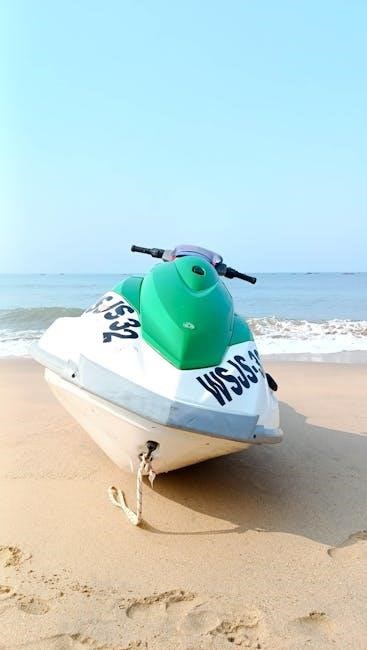
Water jetting offers an efficient and environmentally responsible method for removing marine growth from watercraft hulls. Proper technique minimizes damage to the hull’s surface while maximizing cleaning effectiveness. Installation manuals detail specific procedures for waterjet systems used in hull cleaning applications.
Operators must prioritize safety, utilizing appropriate PPE and adhering to established safety protocols. Careful nozzle selection and pressure control are essential to prevent damage to sensitive hull materials. Regular inspection of the waterjet equipment ensures optimal performance and prevents malfunctions.
Always consult the equipment’s operating manual for specific guidelines and recommendations regarding hull cleaning procedures.
Waterjet Installation Procedures
Correct installation is paramount for the reliable operation of any waterjet system. Detailed installation manuals, like document 7739920, provide step-by-step guidance for technicians. These procedures cover mounting the waterjet unit, connecting plumbing, and integrating the control system.
Adherence to manufacturer specifications is crucial to avoid voiding warranties and ensure optimal performance. Qualified personnel should perform all installation work, following safety guidelines meticulously. Proper alignment and secure connections are essential to prevent leaks and vibrations.
Post-installation testing verifies the system’s functionality and identifies any potential issues before operational use.
Regulatory Compliance
Operators must adhere to industry standards and regulations for safe water jetting practices. Safety certifications and compliance ensure responsible operation and minimize potential risks.
Industry Standards and Regulations
Water jetting operations are subject to a variety of industry standards and governmental regulations designed to ensure worker safety and environmental protection. Compliance with these rules is not merely advisable, but legally mandated in most jurisdictions. Key organizations like the Waterjet Technology Association (WJA) provide best practice guidelines.
Operators should be familiar with OSHA regulations pertaining to high-pressure systems and confined space entry, if applicable. Local and state environmental regulations regarding wastewater discharge and containment must also be strictly followed. Regular audits and documentation are crucial for demonstrating adherence to these standards, mitigating liability, and fostering a culture of safety within the organization.
Safety Certifications
Obtaining relevant safety certifications is paramount for personnel operating high-pressure water jetting equipment. Formal training programs, often offered by industry associations, cover hazard recognition, PPE usage, and emergency procedures. Certification demonstrates a commitment to safe work practices and can reduce insurance costs.
Common certifications include those offered by the Waterjet Technology Association (WJA) and specialized courses focusing on confined space entry and rescue. Verification of operator competency through regular assessments and recertification is essential. Maintaining records of all certifications ensures compliance and provides evidence of a proactive safety culture within the organization.

Manual Updates and Revisions
Document control is vital; this manual undergoes periodic review and updates to reflect evolving safety standards and technological advancements in water jetting.
Revisions will be clearly dated and communicated to all users.
Document Control
Effective document control is paramount to ensuring all users possess the most current and accurate information regarding water jetting procedures. This manual is subject to periodic review, typically annually, or as necessitated by changes in industry regulations, safety protocols, or equipment modifications.
Each revision will be meticulously documented, including a revision date, a summary of changes, and the responsible party for the update. Previous versions will be archived for reference, but clearly marked as obsolete. Access to the latest version will be readily available through designated channels, ensuring operators are always working with the most up-to-date guidance. Maintaining this control is crucial for safety and operational efficiency.
Contact Information for Support
For technical assistance, safety concerns, or to report any discrepancies within this manual, please reach out to our dedicated support team. We are committed to providing prompt and effective assistance to ensure safe and efficient water jetting operations.
You can contact us via email at support@waterjetmanuals.com or by phone at 555-123-4567 during business hours (Monday-Friday, 8 AM to 5 PM EST). Please have your manual’s version number readily available when contacting support. We also maintain a comprehensive FAQ section on our website: www.waterjetmanuals.com/faq. Your feedback is valuable and helps us continually improve our resources.