
Valve Guide Replacement: A Comprehensive Guide
Addressing valve guide issues is crucial for engine health, impacting oil control and performance. This guide details the process,
from diagnosis to installation, ensuring a reliable repair for optimal engine function.
Understanding Valve Guides
Valve guides are essential cylinder head components, often overlooked during engine rebuilds, yet critically important for proper valve train operation. These precisely machined parts serve as a low-friction surface, accurately centering the valve stem as it moves within the cylinder head. This precise alignment is paramount for maintaining a positive valve seal, preventing combustion gases from escaping and ensuring maximum compression.
Without properly functioning valve guides, oil can seep past the valve stem and into the combustion chamber, leading to blue smoke and oil consumption. JEGS High Performance highlights their role in creating a seal and preventing oil leaks. Furthermore, worn guides contribute to valve instability, potentially causing valve damage and reduced engine performance. Understanding their function is the first step towards successful valve guide replacement and a restored engine.
What are Valve Guides?
Valve guides are cylindrical sleeves, typically made of cast iron, bronze, or steel, pressed into the cylinder head. Their primary function is to provide a precise and durable bearing surface for the valve stems. They maintain the correct valve alignment throughout the entire range of valve motion, ensuring the valve face properly seals against the valve seat.
These guides aren’t a one-size-fits-all component; replacement guides come in various materials and sizes, as offered by brands like Dart, Sealed Power, and MAHLE (via JEGS High Performance). The internal diameter of the guide must closely match the valve stem diameter to minimize wear and maintain optimal sealing. When guides wear, they compromise this critical alignment, leading to issues like oil consumption and reduced engine efficiency. Proper selection and installation are key to a successful repair.
The Function of Valve Guides in Engine Operation
Valve guides are integral to precise valve control, directly impacting engine performance and longevity. They meticulously center the valve stem as it moves up and down, guaranteeing a consistent seal between the valve and valve seat. This seal is paramount for maintaining compression and preventing combustion gases from escaping.
Beyond sealing, valve guides play a crucial role in oil control. They prevent excessive oil from entering the combustion chamber, mitigating issues like blue smoke and oil consumption – symptoms often reported by Subaru Forester owners experiencing guide seal failure. Without properly functioning guides, valves can wobble, leading to premature wear of both the valve and the valve seat. Ensuring correct guide installation, potentially with bronze inserts (costing $3-$4 each, as noted on F-Body forums), is vital for optimal engine operation.
Signs of Worn Valve Guides
Detecting worn valve guides early is crucial to prevent further engine damage. A primary indicator is increased oil consumption, often manifesting as blue smoke, particularly during cold starts, as experienced by a Subaru Forester owner. This occurs when worn guides allow oil to seep past the valve stem and into the combustion chamber.
Valve seal failure can mimic worn guide symptoms, making accurate diagnosis essential. However, unlike seal failure, guide wear presents as valve stem wobble or noticeable play during inspection. JEGS High Performance emphasizes the importance of properly installed guides for centering the valve. Significant valve guide wear can also lead to a noticeable decrease in engine power and efficiency. Ignoring these signs can escalate to more costly repairs, potentially requiring complete head replacement, as highlighted in CorvetteForum discussions regarding LS7 valve guide fixes.
Oil Consumption and Blue Smoke
Excessive oil consumption and the appearance of blue smoke from the exhaust are frequently linked to worn valve guides. This happens because the guides, when worn, no longer create a tight seal around the valve stem, allowing oil to bypass the piston rings and enter the combustion chamber where it’s burned.
The blue smoke is particularly noticeable during startup and deceleration, as reported by a Subaru Forester owner on an online forum. This symptom indicates oil is being actively drawn into the cylinders. While other issues can cause oil burning, worn guides are a common culprit. It’s important to differentiate this from other causes like worn piston rings or a failing PCV valve. Addressing worn valve guides effectively restores oil control, reducing smoke and improving engine efficiency. Ignoring this issue can lead to catalytic converter damage and further engine complications.
Valve Seal Failure vs. Valve Guide Wear
Distinguishing between valve seal failure and valve guide wear is critical for accurate diagnosis. While both can cause oil entering the combustion chamber, their root causes and repair approaches differ significantly. Valve seals prevent oil from flowing around the valve stem, while guides ensure the stem moves straight within the cylinder head.
A failing valve seal often presents as consistent oil consumption, whereas guide wear tends to worsen with engine temperature changes. Both can contribute to blue smoke, but guide wear often causes more noticeable smoke during cold starts. Often, mechanics will recommend replacing both components simultaneously during a cylinder head rebuild. This proactive approach ensures a comprehensive fix, preventing future issues. Ignoring worn guides while only replacing seals is a temporary solution, as the guides can quickly damage new seals, leading to recurring problems and increased repair costs.
Diagnosis and Assessment
Thorough evaluation is key; visual checks, clearance measurements, and identifying wear patterns pinpoint valve guide issues, guiding repair decisions for optimal engine performance.
Visual Inspection of Valve Guides
A meticulous visual inspection forms the initial stage of diagnosis. Begin by carefully examining the valve guides for any obvious signs of wear, damage, or deterioration. Look for cracks, pitting, or excessive scoring on the guide’s surface. Pay close attention to the areas where the valve stem makes contact with the guide, as these are prime locations for wear to manifest.
Check for oil staining around the valve guides, which can indicate oil leakage past worn seals or guides. Also, inspect the guide bore for ovality or any irregularities. Use a bright light and, if possible, a magnifying glass to aid in identifying subtle imperfections. Compare the condition of all valve guides within the cylinder head, noting any discrepancies.
Remember that visual inspection alone isn’t always conclusive, but it provides valuable clues and helps focus subsequent, more detailed assessments. Document any findings with photographs for future reference and comparison. This initial assessment sets the stage for more precise measurements and a definitive diagnosis.
Valve Stem-to-Guide Clearance Check
Accurately measuring valve stem-to-guide clearance is paramount for a successful valve guide replacement. This check determines the amount of play between the valve stem and the inner diameter of the guide. Excessive clearance leads to valve instability, oil consumption, and reduced performance, while insufficient clearance can cause valve binding and damage.
To perform this check, insert the valve stem into the guide. Using a precision dial indicator, measure the vertical movement of the valve stem as you gently rock it back and forth. The allowable clearance varies depending on the engine manufacturer’s specifications, typically ranging from 0.001 to 0.002 inches.
Ensure the valve stem is clean and free of any debris before measurement; Repeat the process for all valves and guides, recording each measurement. Consistent, accurate readings are vital for identifying worn guides that require replacement. Proper clearance ensures optimal valve operation and longevity.
Using a Dial Indicator for Accuracy
Employing a dial indicator significantly enhances the precision of valve stem-to-guide clearance measurements. This tool allows for the detection of even minute amounts of play, crucial for diagnosing valve guide wear accurately. Securely mount the dial indicator to the cylinder head, ensuring the contact point rests against the valve stem.
When rocking the valve stem, observe the dial indicator’s reading. This reading represents the total runout, encompassing both guide wear and any valve stem bend. To isolate guide wear, compare readings across multiple valves; a consistently higher reading on a specific valve suggests guide issues.
Zero the dial indicator correctly before each measurement. A magnetic base provides stability, minimizing errors. Remember to rotate the valve stem throughout its range of motion to capture the maximum runout. Accurate dial indicator use is fundamental for informed repair decisions and a successful valve guide replacement.
Identifying Guide Wear Patterns
Recognizing wear patterns on valve guides provides valuable insight into the cause and severity of the damage. Scoring, often appearing as vertical scratches, indicates abrasive wear, potentially from contaminated oil or a damaged valve stem. A tapered guide, wider at the top than the bottom, signifies uneven wear, usually due to valve misalignment or prolonged use.
Lip wear, characterized by a rounded or chipped edge, compromises the seal and contributes to oil consumption. Look for excessive play between the valve stem and guide – any noticeable wobble indicates significant wear. Discoloration or a burnt appearance suggests overheating, potentially linked to lean fuel mixtures or improper valve timing.
Careful examination during disassembly reveals these patterns. Consistent wear across all guides points to normal aging, while localized wear suggests specific issues. Documenting these patterns aids in determining the appropriate repair strategy, whether it’s a simple guide replacement or a more extensive head overhaul.
Tools and Materials Required
Successful valve guide replacement demands specialized tools: guide removal/installation kits, micrometers, bore gauges, presses, and reamers.
Essential materials include new guides, seals, and potentially bronze inserts.
Valve Guide Removal Tools
Effective valve guide removal necessitates a selection of specialized tools designed to apply controlled force without damaging the cylinder head. A dedicated valve guide removal tool is paramount, often featuring various sized bushings to accommodate different guide diameters. These tools typically utilize a press or slide hammer mechanism for efficient extraction.
Beyond dedicated removal tools, a hydraulic press is frequently employed, especially for stubborn or corroded guides. When using a press, it’s vital to employ appropriate adapters and bushings to ensure even pressure distribution and prevent head distortion. For particularly tight guides, a pneumatic knockout set can be beneficial, delivering focused impacts to loosen the guide before pressing.
Furthermore, a set of internal and external snap ring pliers may be required if the guides are secured with snap rings. Always prioritize using tools specifically designed for valve guide removal to minimize the risk of cylinder head damage and ensure a clean, efficient removal process. Careful selection and proper application of these tools are key to a successful repair.
Valve Guide Installation Tools
Precise valve guide installation demands specialized tooling to ensure proper alignment and interference fit within the cylinder head. A hydraulic press remains central to this process, providing the controlled force needed to seat the new guides. However, utilizing correctly sized installation sleeves and adapters is absolutely critical to prevent damage to both the guide and the head itself.

Bronze insert installation often requires a separate set of tools, including a boring tool to accurately size the guide bore and a press adapter designed specifically for inserting the bronze inserts. Reaming tools are then essential for achieving the correct valve stem-to-guide clearance after insert installation.
Beyond the press, a selection of mandrels and drivers can aid in guiding the guides during installation, ensuring they are perfectly straight. Proper lubrication of the guides and bore prior to installation is also crucial. Investing in quality installation tools guarantees a secure and accurate fit, maximizing the longevity of the repair.
Replacement Valve Guides (Materials & Sizing)
Selecting the correct replacement valve guides is paramount for a successful repair. Guides are commonly manufactured from cast iron, bronze, or powdered metal, each offering distinct advantages. Cast iron provides durability, while bronze offers superior wear resistance and heat dissipation. Powdered metal guides balance cost and performance.
Sizing is equally critical; guides must precisely match the valve stem diameter and the cylinder head’s guide bore. Incorrect sizing leads to excessive wear, oil leakage, or valve binding. Original Equipment Manufacturer (OEM) guides are often preferred for maintaining factory specifications, but performance upgrades utilizing different materials and tighter tolerances are available.
When using bronze inserts, the guide bore is intentionally undersized, and the insert is pressed in, then reamed to the correct clearance. Always verify the guide’s inner diameter and length against the original part or manufacturer’s specifications before installation to ensure a proper fit and optimal engine performance.
Measuring Tools (Micrometers, Bore Gauges)
Accurate measurement is fundamental throughout the valve guide replacement process. A high-quality micrometer is essential for precisely measuring valve stem diameters, ensuring proper guide inner diameter selection. Variations in stem diameter necessitate corresponding guide sizing for optimal fit and minimal wear.
Bore gauges are crucial for verifying the cylinder head’s guide bore diameter before and after machining. This confirms the bore is within acceptable tolerances for the chosen guides or inserts. Internal micrometers can also be used for precise bore measurements.
Dial indicators, when used with appropriate attachments, aid in checking valve stem-to-guide clearance after installation. Consistent and accurate readings from these tools guarantee proper valve alignment and prevent issues like oil leakage or valve sticking. Calibration of these instruments is vital for reliable results.
The Replacement Process
The core of repair involves careful cylinder head disassembly, precise guide removal, boring, new guide installation, reaming, and thorough inspection for a lasting fix.
Cylinder Head Disassembly
Initiating the valve guide replacement demands meticulous cylinder head disassembly. Begin by carefully removing all valve train components – valves, springs, retainers, and keepers – documenting their positions for correct reassembly. Detach the rocker arms or camshaft followers, ensuring proper labeling to maintain cylinder-specific alignment.
Next, disconnect any associated hardware like pushrods or lifters. Thoroughly clean the cylinder head exterior to prevent debris from entering during the internal work. Remove the intake and exhaust manifolds, along with any remaining brackets or sensors attached to the head.
Pay close attention to gasket surfaces, noting their condition. A damaged gasket surface may require machining. Finally, carefully separate the cylinder head from the engine block, taking precautions to avoid damaging the head gasket or block deck. Proper organization of parts is paramount throughout this process, facilitating a smooth reassembly.
Valve Guide Removal Techniques
Removing worn valve guides requires precision to avoid cylinder head damage. The most common method involves using a valve guide removal tool, typically a driver with appropriately sized bushings. This tool applies focused pressure to push the old guide out from the valve stem bore side.
Applying heat to the cylinder head around the guide can aid removal by expanding the metal. However, excessive heat must be avoided. Some shops bore through the old guides and press in bronze inserts, a technique offering precise alignment.
Carefully inspect the guide bore after removal for any damage or debris. A stuck guide may necessitate gentle persuasion with a soft hammer and drift, but forceful methods are discouraged. Proper support of the cylinder head during this process is crucial to prevent warping or cracking; Always prioritize a controlled and methodical approach.
Pressing Out Old Guides
Pressing out old valve guides demands a controlled and even application of force. Utilizing a shop press with specialized valve guide removal adapters is highly recommended. These adapters ensure the force is distributed uniformly around the guide’s circumference, minimizing the risk of cylinder head distortion or cracking.
Before pressing, thoroughly clean the area around the guide and apply penetrating oil to loosen any corrosion. Support the cylinder head securely to prevent movement during the pressing operation. Slow, steady pressure is key; avoid sudden bursts of force.
Monitor the guide’s movement closely. If significant resistance is encountered, stop and re-evaluate. Applying heat to the head surrounding the guide can assist, but proceed cautiously. Once the guide is fully removed, inspect the bore for any remaining debris or damage before proceeding.
Boring the Guide Bore
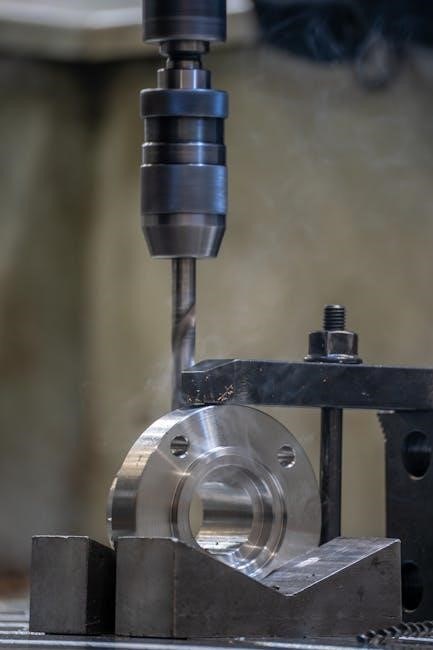
Boring the valve guide bore is a critical step to ensure proper fitment of new guides, especially when utilizing bronze inserts. This process precisely sizes the bore to accept the insert or the new guide itself, guaranteeing accurate alignment and preventing binding.
Employ a precision boring bar with appropriate cutting tools, carefully selecting a size slightly smaller than the outer diameter of the chosen insert or guide. Consistent, controlled passes are essential, frequently measuring the bore diameter with a bore gauge to monitor progress.
Maintain a straight and consistent bore throughout the entire length. Avoid excessive material removal, as this can compromise the cylinder head’s structural integrity. After boring, thoroughly clean the bore to remove any chips or debris before installing the inserts or new guides.
Installing New Valve Guides
Installing new valve guides requires precision and careful technique to ensure proper alignment and function. Whether pressing in solid guides or utilizing bronze inserts, preparation is key. Ensure the cylinder head is clean and the bores are properly sized after the boring process.
If using inserts, lightly oil the insert’s outer surface and gently press it into the bored guide bore using a suitable installation tool. Avoid excessive force, which could damage the head. For solid guides, apply a thin coat of assembly lube to the guide’s outer diameter before pressing it into place.
Use a guide installation tool and press, ensuring the guide is seated squarely and to the correct depth. Verify proper installation by checking the guide’s protrusion relative to the cylinder head surface. Consistent, even pressure is vital for a secure and reliable fit.
Using Bronze Inserts
Bronze valve guide inserts offer a cost-effective and durable solution for valve guide replacement, particularly in high-performance applications. These inserts are pressed into the cylinder head’s existing guide bores, providing a wear-resistant surface for the valve stem.
The process typically involves boring the original guide bore to accept the insert’s outer diameter. Inserts are relatively inexpensive, costing around $3-$4 each, making them an attractive option. Lightly oiling the insert before pressing aids installation and prevents galling.
Specialized installation tools are crucial for proper seating and alignment. Labor costs for installing inserts are generally around $7-$8 per insert, resulting in approximately $80-$90 per head. Following installation, reaming the insert to the correct valve stem clearance is essential for optimal performance.
Reaming Valve Guides for Proper Clearance
Achieving the correct valve stem-to-guide clearance is paramount after installing new valve guides or bronze inserts. Insufficient clearance can cause valve stiction and overheating, while excessive clearance leads to valve wobble and oil consumption. Reaming precisely addresses this critical dimension.
The reaming process utilizes specialized reamers, sized according to the valve stem diameter and desired clearance specifications – typically between 0.0015” and 0.0025”. Lightly lubricating the reamer and guide during the process ensures a smooth, accurate finish.
Care must be taken to avoid excessive material removal, maintaining the guide’s concentricity with the valve seat. After reaming, thoroughly clean the guide bore to remove any metal shavings. Proper reaming guarantees optimal valve operation, sealing, and longevity, contributing to overall engine performance and reliability.
Cost Considerations
Valve guide replacement costs vary widely, encompassing parts like guides, seals, and inserts, alongside labor expenses. Professional services can range from $1400 to $4300.
Parts Costs (Guides, Seals, Inserts)
Determining the cost of replacement parts for valve guides involves several considerations. The price of valve guides themselves fluctuates based on material – cast iron being the most affordable, while bronze and ductile iron offer increased durability at a higher cost. Expect to pay roughly $10 to $50 per guide, depending on the engine and material.
Valve seals are relatively inexpensive, typically ranging from $2 to $10 each. However, quality varies, and investing in premium seals can prevent future oil leakage; Bronze valve guide inserts, often used during replacement, add another expense, costing approximately $3 to $4 per insert. The number of guides and seals needed depends on the engine’s configuration – a V8, for instance, requires twice as many as an inline-four.
Brands like Sealed Power, MAHLE, and Dart offer a range of options, with performance-oriented guides commanding a premium. Don’t forget to factor in the cost of any necessary adhesives or lubricants used during installation. A complete parts package for a typical engine can range from $80 to $300, depending on the chosen components and quantity.
Labor Costs (Shop Rates)
Labor costs for valve guide replacement can significantly impact the overall expense, varying widely based on location, shop expertise, and engine complexity. Expect hourly labor rates to range from $80 to $150, with specialized shops potentially charging more. The job’s labor-intensive nature stems from the need for complete cylinder head disassembly and precise machining.
A typical valve guide replacement, including head removal and reinstallation, can take between 8 to 16 hours of labor. This timeframe can increase if additional head work, such as valve seat cutting or resurfacing, is required. Some shops may offer a flat rate for the entire job, potentially ranging from $800 to $2500, depending on the vehicle and extent of the work.
Quotes around $4300, as reported by some vehicle owners, seem exceptionally high and warrant further investigation or a second opinion. It’s crucial to obtain detailed estimates from multiple shops, outlining the specific tasks included and associated labor hours. Remember to inquire about any potential diagnostic fees or additional charges.
Potential for Additional Repairs
Valve guide replacement often reveals the need for concurrent repairs, increasing the overall cost. During cylinder head disassembly, technicians may discover worn valve seats, requiring cutting or replacement to ensure proper sealing; Head cracks, though less common, can also be identified, necessitating costly head replacement or welding.
Valve springs, retainers, and keepers should be inspected and replaced if showing signs of fatigue or corrosion. Over time, these components lose their tension, impacting valve timing and performance. Furthermore, the valve seals, often the initial suspect in oil consumption issues, should always be replaced alongside the guides.
Resurfacing the cylinder head is frequently recommended to ensure a flat sealing surface. This prevents coolant or combustion gas leaks. Depending on the engine’s condition, additional repairs like camshaft inspection or lifter replacement might also be advisable, adding to the total expense. A thorough inspection is vital to address all underlying issues.
Cost Comparison: DIY vs. Professional
Attempting valve guide replacement as a DIY project can save on labor costs, but requires significant mechanical skill, specialized tools, and a clean workspace. Parts alone – guides, seals, and potentially inserts – can range from $100 to $300 per head. However, the cost of a valve spring compressor, bore gauge, and reaming tools can easily exceed $500.
Professional installation, while more expensive, offers expertise and precision. Shop rates vary, but a complete valve guide replacement, including parts and labor, can range from $800 to $4300, depending on the engine and shop. Some shops charge around $80-$90 per head for insert installation alone.
Considering the potential for errors, damaged heads, and the time investment, professional service often proves more cost-effective in the long run. A botched DIY attempt could lead to further, more expensive repairs. Weigh your skills, tool availability, and risk tolerance carefully before deciding.