
Big Bowl Nutrition Guide: A Comprehensive Overview
Discover the vibrant world of nourish bowls, a complete meal in one container, brimming with leafy greens, proteins, and fiber-rich carbohydrates for optimal wellness․
What is a Big Bowl? Defining the Concept
A “Big Bowl,” often referred to as a nourish bowl or grain bowl, represents a complete and balanced meal constructed within a single bowl․ This culinary approach emphasizes whole, unprocessed ingredients arranged thoughtfully for both nutritional value and aesthetic appeal․ Unlike traditional plated meals with separate components, a Big Bowl integrates everything – a base of leafy greens, a substantial protein source, complex carbohydrates, healthy fats, and often, superfood boosters – into one convenient and satisfying dish․
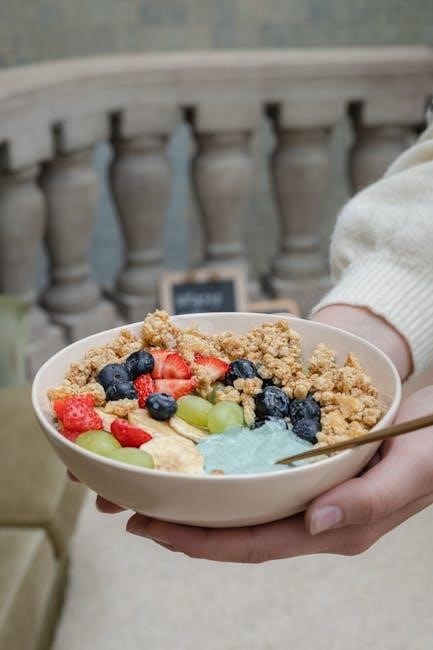
The core idea is simplicity and versatility․ Big Bowls aren’t bound by strict recipes; they encourage customization based on individual preferences and dietary needs․ They’ve gained popularity due to their visual appeal, frequently showcased on platforms like Instagram, and their alignment with health-conscious eating trends․ Essentially, a Big Bowl is a celebration of fresh, wholesome ingredients working in harmony to nourish the body․
The Nutritional Powerhouse: Core Components
Big Bowls derive their nutritional strength from a synergistic blend of key components․ At the foundation lies a generous serving of leafy greens, providing essential vitamins, minerals – including iron, potassium, and calcium – and fiber․ Complementing this base is a robust protein source, crucial for building and repairing tissues, and promoting satiety․ Complex carbohydrates, ideally whole grains, deliver sustained energy, while healthy fats aid in nutrient absorption and contribute to overall well-being․
These core elements aren’t isolated; they work together․ The combination ensures a balanced intake of macronutrients and micronutrients․ Furthermore, the inclusion of prebiotic fibers supports gut health, enhancing digestion and nutrient uptake․ A well-constructed Big Bowl isn’t just a meal; it’s a concentrated source of nourishment designed to fuel the body optimally․
Leafy Green Base: Vitamins and Minerals
The foundation of any exceptional Big Bowl is a vibrant assortment of leafy greens․ These aren’t merely filler; they’re nutritional powerhouses packed with essential vitamins and minerals․ Spinach, kale, romaine lettuce, and other varieties contribute significantly to your daily intake of Vitamin K, vital for blood clotting and bone health․ They also boast substantial amounts of Vitamin A, crucial for vision and immune function, and Vitamin C, a potent antioxidant․
Beyond vitamins, leafy greens are rich in minerals like iron, potassium, and calcium․ Obtaining Vitamin D can be challenging from plant sources alone, making a balanced approach essential․ These minerals support numerous bodily functions, from nerve transmission to muscle contraction․ Choosing a diverse mix of greens maximizes the spectrum of nutrients delivered with each bite․
Protein Sources: Building Blocks for Health
Essential for repair and growth, protein forms the cornerstone of a satisfying and nutritionally complete Big Bowl․ Numerous options cater to diverse dietary preferences․ Lean meats like grilled chicken or turkey provide high-quality protein alongside essential amino acids․ For plant-based eaters, legumes such as chickpeas or black beans offer a fantastic source of protein and fiber․
Other excellent choices include tofu, tempeh, or edamame, all delivering substantial protein content․ Even incorporating a hard-boiled egg can significantly boost the protein profile of your bowl․ Prioritizing protein ensures sustained energy levels and helps promote feelings of fullness, preventing overeating; Aim for a portion size that aligns with your individual needs and activity level․
Carbohydrates for Energy: Choosing Wisely
Carbohydrates are vital for fueling your body, but selecting the right types is crucial for sustained energy and overall health within a Big Bowl․ Prioritize complex carbohydrates over refined options․ Whole grains like quinoa, brown rice, or farro provide a slow-release energy source, keeping you feeling full and focused for longer periods․
These grains are also rich in fiber, aiding digestion and promoting gut health․ Avoid white rice or processed grains, which can cause rapid blood sugar spikes and subsequent crashes․ Incorporating sweet potatoes or other starchy vegetables offers another excellent carbohydrate source packed with nutrients․ Careful carbohydrate selection ensures your Big Bowl provides lasting energy without compromising your well-being․
Whole Grains vs․ Refined Grains
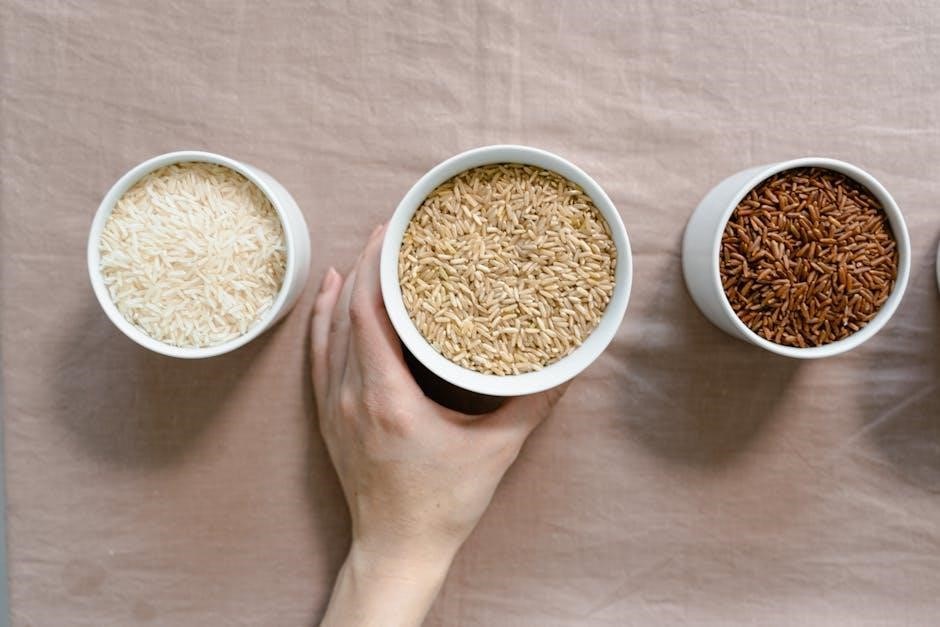
The distinction between whole and refined grains significantly impacts a Big Bowl’s nutritional profile․ Whole grains – including quinoa, brown rice, and farro – retain all three parts of the kernel: the bran, germ, and endosperm․ This intact structure delivers a wealth of fiber, vitamins, and minerals, contributing to sustained energy levels and improved digestive health․
Refined grains, conversely, have had the bran and germ removed, stripping away most of their nutritional value․ White rice and processed wheat products fall into this category, offering minimal fiber and causing rapid blood sugar fluctuations․ Choosing whole grains over refined options is a cornerstone of a healthy Big Bowl, promoting satiety and long-term wellness․
Fiber-Rich Options: Promoting Digestion
Incorporating fiber-rich ingredients is crucial for digestive health within a Big Bowl․ Beyond whole grains, numerous additions significantly boost fiber content․ Chia seeds, for example, offer a substantial dose of fiber alongside omega-3 fatty acids, promoting gut regularity and overall well-being․ Vegetables like broccoli, Brussels sprouts, and sweet potatoes are also excellent sources, contributing to a feeling of fullness and aiding nutrient absorption․
Prebiotic fibers, found in certain foods, nourish beneficial gut bacteria, further enhancing digestive function․ A well-functioning digestive system is paramount for optimal nutrient uptake and overall health, making fiber a non-negotiable component of any balanced Big Bowl․
Healthy Fats: Essential for Absorption and Satiety
Healthy fats are vital components of a well-rounded Big Bowl, playing a crucial role in nutrient absorption and promoting lasting satiety; These fats aren’t just about feeling full; they enable the body to effectively absorb fat-soluble vitamins (A, D, E, and K) from the other ingredients․ Excellent sources include avocado, providing creamy texture and monounsaturated fats, and olive oil, perfect for dressings․
Chia seeds, already mentioned for their fiber, also contribute healthy fats, specifically omega-3s․ Incorporating a small portion of nuts or seeds, like almonds or pumpkin seeds, adds both flavor and beneficial fats․ Prioritizing these healthy fat sources ensures a more nutritious and satisfying Big Bowl experience․
Superfood Boosters: Enhancing Nutritional Value
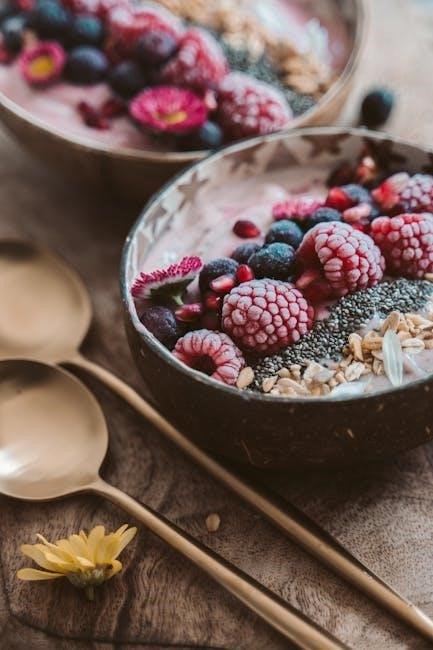
Elevate your Big Bowl with superfood boosters, ingredients packed with exceptional nutritional benefits․ Acai berries, celebrated for their potent antioxidant richness, offer a vibrant addition, combating oxidative stress and supporting overall health․ Another trendy option, dragon fruit (pitaya), not only boasts a striking appearance but also delivers a unique nutrient profile, becoming a breakfast staple․
Chia seeds are incredibly versatile, providing a substantial dose of fiber and essential omega-3 fatty acids․ A simple addition – two tablespoons mixed with coconut water and honey – creates a delightful base․ These superfoods aren’t just about trends; they genuinely amplify the nutritional power of your Big Bowl, contributing to long-term wellness․
Acai Berries: Antioxidant Richness
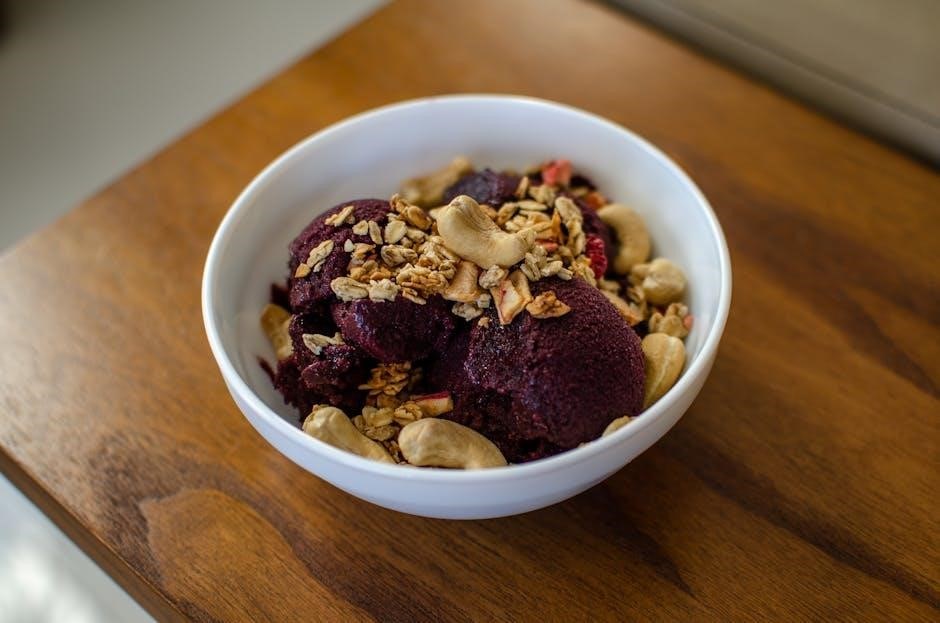
Acai berries, originating from the Amazon rainforest, are renowned for their exceptional antioxidant content, making them a powerful addition to your Big Bowl․ These potent nutrients combat oxidative stress within the body, protecting cells from damage caused by free radicals․ This protective action contributes to a reduced risk of chronic diseases and supports overall cellular health․
Beyond their antioxidant properties, acai berries offer a unique blend of healthy fats, fiber, and vitamins․ Incorporating them into your Big Bowl isn’t just about a trendy ingredient; it’s about actively boosting your intake of essential compounds that promote vitality and well-being․ Enjoy the vibrant flavor and reap the remarkable health benefits of these tiny, purple powerhouses․
Dragon Fruit (Pitaya): A Trendy Nutritional Addition
Dragon fruit, also known as pitaya, has rapidly gained popularity as a visually striking and nutritionally valuable addition to Big Bowls․ Its vibrant reddish skin and speckled flesh immediately elevate the aesthetic appeal of any meal, but its benefits extend far beyond appearance․ This tropical fruit is a good source of prebiotics, which nourish beneficial gut bacteria, promoting healthy digestion and a robust immune system․
Furthermore, dragon fruit provides essential vitamins and minerals, including vitamin C and antioxidants․ Its mild sweetness makes it a versatile ingredient, blending seamlessly into smoothies or enjoyed as a fresh topping․ Embrace this trendy fruit not just for its exotic flavor, but for its contribution to a balanced and nourishing Big Bowl experience․
Chia Seeds: Fiber and Omega-3s
Chia seeds are tiny powerhouses of nutrition, making them an exceptional addition to any Big Bowl․ These seeds are remarkably high in fiber, promoting digestive health, increasing satiety, and helping to regulate blood sugar levels․ Beyond fiber, chia seeds are an excellent source of omega-3 fatty acids, crucial for brain health, reducing inflammation, and supporting cardiovascular function․
Their mild flavor allows them to blend seamlessly into various Big Bowl combinations․ Simply sprinkle two tablespoons into your bowl, or pre-soak them in coconut water or juice for a pudding-like consistency․ Chia seeds not only enhance the nutritional profile of your meal but also add a delightful textural element, contributing to a truly satisfying and wholesome Big Bowl experience․
Building a Balanced Big Bowl: Portion Control
Creating a truly nourishing Big Bowl isn’t just about what you include, but how much․ Mastering portion control is key to reaping the health benefits without overdoing it․ A balanced bowl should prioritize vegetables, filling roughly half the bowl, ensuring a wealth of vitamins and minerals․ Protein sources should occupy about a quarter, providing essential building blocks for the body․
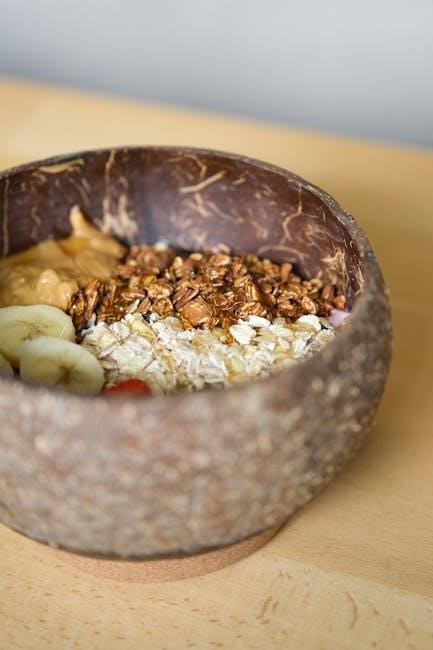
The remaining quarter should be dedicated to complex carbohydrates, like whole grains, offering sustained energy․ Consider macronutrient ratios – a good starting point is 40% carbohydrates, 30% protein, and 30% healthy fats․ Calorie needs vary, so tailor portions to your individual activity level and goals, ensuring a satisfying yet controlled meal․
Macronutrient Ratios: Finding Your Ideal Balance
Determining the perfect macronutrient ratio for your Big Bowl depends on your individual needs and lifestyle․ A common starting point is a 40/30/30 split – 40% of calories from carbohydrates, 30% from protein, and 30% from healthy fats․ However, active individuals may benefit from a higher carbohydrate intake to fuel their workouts, while those focused on weight loss might lean towards more protein and fats for increased satiety․
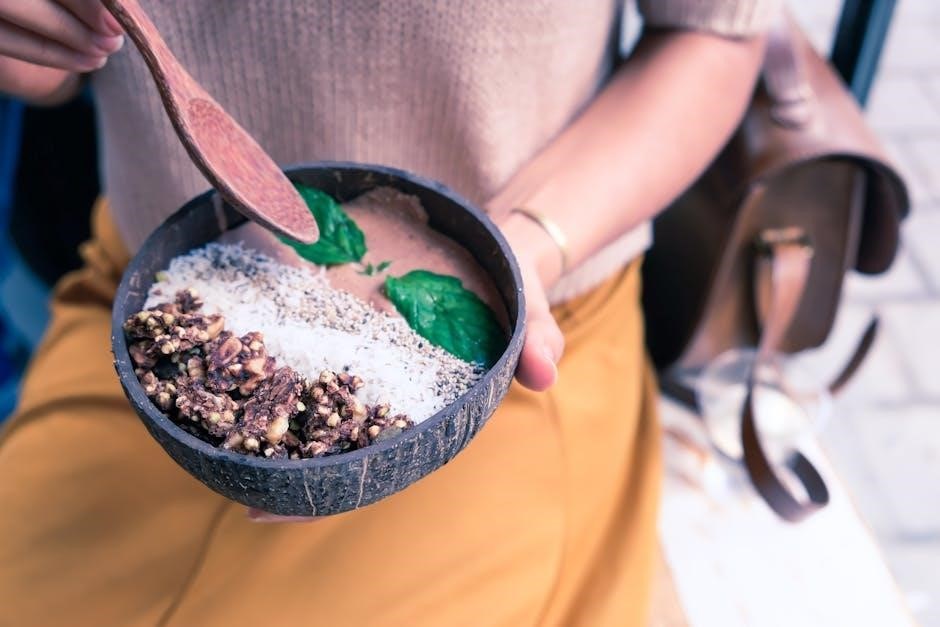
Experimentation is key! Pay attention to how different ratios make you feel․ Do you experience energy crashes with too many carbs? Are you constantly hungry with insufficient protein? Adjust accordingly․ Remember, a balanced bowl supports sustained energy, muscle recovery, and overall well-being, making mindful portioning crucial․
Calorie Considerations: Tailoring to Your Needs
Calculating your daily calorie needs is the first step in building a Big Bowl that supports your goals․ Factors like age, sex, activity level, and metabolism all play a role․ Online calculators can provide a starting estimate, but consulting a registered dietitian offers personalized guidance․
Big Bowls are incredibly versatile, allowing you to easily adjust portion sizes to meet your caloric targets․ Be mindful of calorie-dense ingredients like nuts, seeds, and avocados – while healthy, they add up quickly․ Prioritize filling, lower-calorie options like leafy greens and non-starchy vegetables․ Tracking your intake, even for a short period, can increase awareness and ensure your Big Bowl aligns with your overall dietary plan․
Big Bowls for Specific Dietary Needs
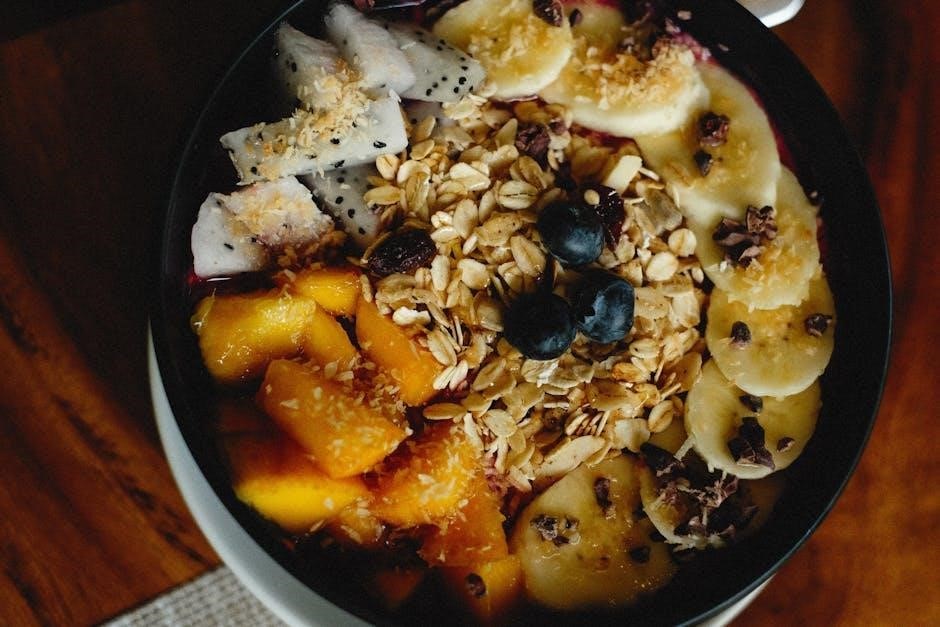
Adapting the Big Bowl concept to various dietary needs is remarkably simple․ For Vegetarian and Vegan lifestyles, focus on plant-based protein sources like lentils, chickpeas, tofu, or tempeh․ Ensure adequate intake of iron and vitamin D, potentially through fortified foods or supplements, as these are often more readily available in animal products․
Those requiring Gluten-Free options should choose gluten-free grains like quinoa, brown rice, or buckwheat․ Carefully check labels on sauces and dressings to avoid hidden gluten ingredients․ Big Bowls naturally lend themselves to customization, making it easy to exclude allergens and adhere to specific dietary restrictions․ The versatility ensures everyone can enjoy a nourishing and satisfying meal․
Vegetarian & Vegan Big Bowls
Creating vibrant and complete Vegetarian and Vegan Big Bowls is easily achievable with a focus on plant-powered protein․ Excellent choices include lentils, chickpeas, black beans, edamame, and tofu․ Tempeh and seitan offer further protein variety, though seitan isn’t suitable for those with gluten sensitivities․
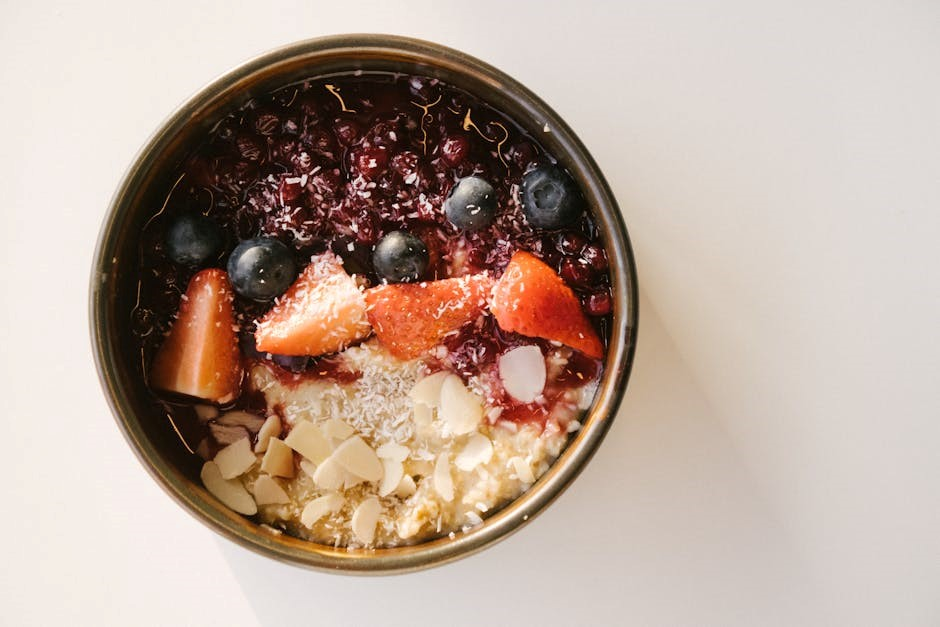
To ensure nutritional completeness, prioritize iron and vitamin D intake, as these can be less bioavailable from plant sources․ Incorporate iron-rich greens like spinach and kale, alongside vitamin D-fortified plant milks or consider a supplement․ Don’t forget healthy fats from avocado, nuts, and seeds to aid nutrient absorption and provide sustained energy․ A colorful array of vegetables completes this nourishing meal․
Gluten-Free Big Bowl Options
Building a delicious and satisfying gluten-free Big Bowl requires mindful carbohydrate choices; Avoid traditional wheat-based grains and instead opt for naturally gluten-free alternatives like quinoa, brown rice, buckwheat, or millet․ These provide essential complex carbohydrates and fiber for sustained energy․
When selecting toppings, carefully check labels to ensure they are certified gluten-free, particularly for sauces and dressings․ Many processed foods contain hidden gluten․ Focus on fresh, whole ingredients like vegetables, fruits, lean proteins, and healthy fats․ Tempeh is a good protein source, but be sure it’s processed in a gluten-free facility․ Enjoy a vibrant, nourishing bowl without compromising your dietary needs!
Tropical Twist: Flavor Variations & Recipes
Embrace the sunshine with a tropical-inspired Big Bowl! For a vibrant base, consider mango, pineapple, and papaya alongside your leafy greens․ Blend starfruit with coconut water and a touch of honey for a refreshing dressing – a delightful alternative to traditional options․
Boost the nutritional profile and texture by incorporating two tablespoons of chia seeds, allowing them to sit for five minutes to create a gel-like consistency․ Dragon fruit (pitaya), with its striking appearance and unique flavor, makes a stunning addition․ Experiment with toasted coconut flakes and a squeeze of lime for an extra burst of tropical goodness․ These additions elevate your Big Bowl into a flavorful and healthful escape!
Potential Pitfalls & How to Avoid Them
While incredibly healthy, Big Bowls can become calorie-dense if portion sizes aren’t monitored․ Overdoing healthy fats like avocado or nuts, or excessive use of high-sugar fruits, can hinder weight management goals․ Be mindful of dressings; opt for light vinaigrettes or homemade options to avoid hidden sugars and unhealthy oils․
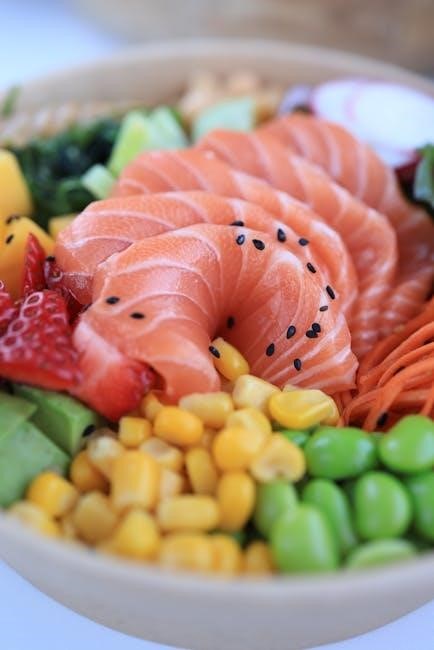
Another potential issue is nutritional imbalance․ Ensure a good mix of macronutrients – protein, carbohydrates, and fats – in each bowl․ Relying too heavily on one food group can lead to deficiencies․ Prioritize whole grains over refined options and load up on diverse vegetables․ Careful planning and portion control are key to maximizing the benefits and avoiding common pitfalls․
Long-Term Health Benefits of Regular Big Bowl Consumption
Consistent inclusion of Big Bowls in your diet fosters sustained energy levels due to the balanced macronutrient profile and fiber content․ The abundance of vitamins, minerals, and antioxidants – like those found in acai berries and dragon fruit – bolsters the immune system and combats oxidative stress, potentially reducing the risk of chronic diseases․
Furthermore, the fiber-rich components promote healthy digestion and gut microbiome diversity, crucial for overall well-being․ Regular consumption supports weight management, improves heart health, and enhances cognitive function․ By prioritizing whole, unprocessed ingredients, Big Bowls contribute to a lifestyle centered around preventative healthcare and long-term vitality․